In this guide, we’ll walk through the essential features and strategies manufacturers need to launch or optimize their spare parts eCommerce channel. Whether you’re just starting or looking to improve, this article will help you navigate the process with confidence.
Why Selling Spare Parts Online Is Different
While most B2B eCommerce platforms cater to general merchandise, spare parts present unique challenges:
- Thousands of SKUs and variants
- Difficult-to-identify products
- Compatibility with specific machines or models
- Constant updates to parts, including supersessions
- Inventory that is often low in volume but critical in urgency
That’s why B2B eCommerce manufacturers must go beyond simple product listings. It needs to be smart, integrated, and purpose-built.

Key Features for Selling Spare Parts Successfully
To build a high-performing digital spare parts store, manufacturers must implement tools and features that support quick, accurate part identification and transactions.
Here are some of the most impactful capabilities:
1. Search by Brand, Part Type, or Model Number
Buyers rarely know the exact part number they need. Your site should support flexible search functionality that allows users to:
- Search by machine brand or manufacturer
- Filter by part type (e.g., belts, valves, seals)
- Search by machine or model number
- Use autocomplete to surface relevant results quickly
Tip: Make your search bar smart. Leverage predictive text, suggested results, and filters to reduce friction and eliminate dead ends.
2. Part Compatibility Checker
An intelligent compatibility engine is crucial for reducing order errors. This feature lets users:
- Select a machine or model from a drop-down or VIN/serial number
- Automatically see only compatible parts
- Eliminate guesswork for customers and reduce costly returns
Benefits of Compatibility Checking:
- Increased buyer confidence
- Faster decision-making
- Fewer support inquiries
- Higher conversion rates
3. Superseded Products and Alternatives
Manufacturers frequently update parts or discontinue older ones. A smart B2B eCommerce system should:
- Flag when a part has been superseded
- Automatically redirect users to the new part
- Show alternate compatible options (OEM or aftermarket)
This not only ensures continued sales but also positions your business as a trusted expert with up-to-date knowledge.
4. Available-to-Promise (ATP) Inventory Display
When buyers need a part, they need it fast. Real-time inventory visibility is essential for building trust and closing sales.
ATP Functionality Should Include:
- Real-time stock levels from your ERP
- Backorder information (next availability date)
- Warehouse location and delivery estimates
This requires eCommerce and ERP integration to ensure accuracy and efficiency.

The Importance of ERP Integration
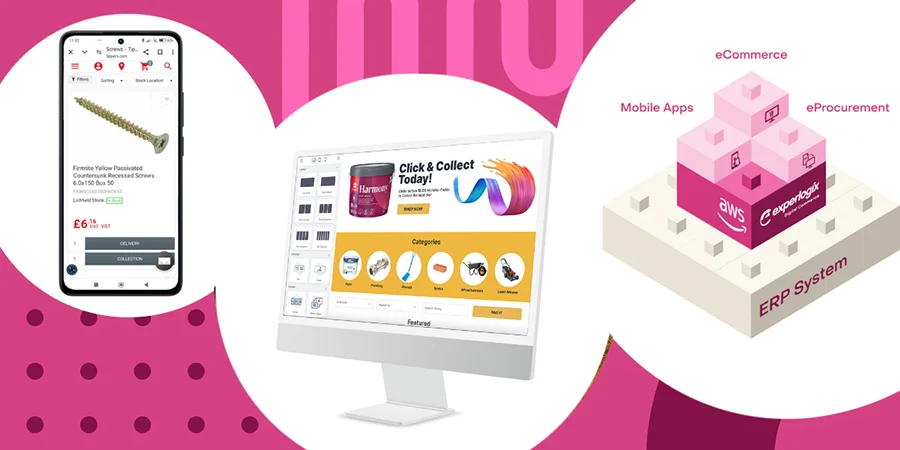
A disconnected eCommerce platform will slow your operations, create data silos, and increase manual tasks. That’s why eCommerce and ERP integration is non-negotiable for manufacturers selling spare parts.
Key Benefits of ERP-Integrated eCommerce
- Accurate pricing and stock levels: Reflect customer-specific pricing and real-time inventory
- Order syncing: Automate order creation in your ERP, reducing errors
- Account management: Access invoices, quotes, order history, and credit limits
- Product data management: Centralize and update specs, images, and descriptions easily
Pro Tip: Choose a B2B eCommerce platform with native ERP integration capabilities or pre-built connectors to reduce implementation time and complexity.
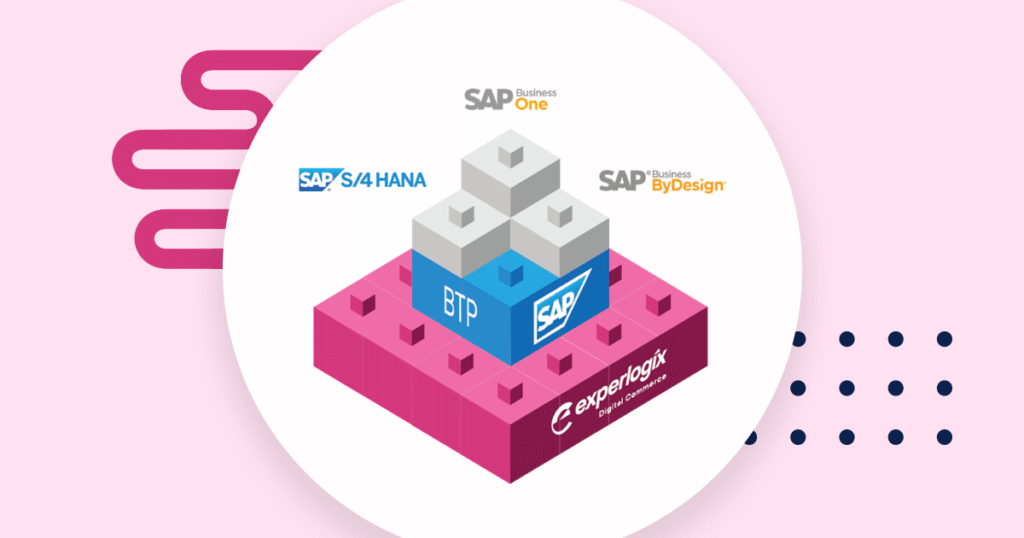
Experlogix Digital Commerce integrates with most major ERP systems such as SAP, Microsoft Dynamics, Microsoft Business Central, Intact Software, GenetiQ, Sage Brightpearl, and more.
Additional Must-Haves for a Spare Parts Storefront
Alongside the core features listed above, here are a few more tools that elevate the buyer experience:
Exploded Diagrams and Technical Documentation
- Allow users to identify parts visually
- Link diagrams to product listings
- Include downloadable manuals and schematics
Quick Order and Bulk Upload Tools
- Let repeat buyers add multiple SKUs quickly
- Accept CSV uploads for large orders
Customer Portals
- Enable buyers to track orders, request quotes, and manage returns
- Show order history with reordering functionality
Multilingual and Multicurrency Support
- Sell globally by supporting regional languages and currencies
- Handle taxes, duties, and compliance automatically
Best Practices for Marketing Spare Parts Online
Even the best spare parts store needs the right marketing strategy to attract and convert customers. Here are a few tactics:
SEO for Niche Part Searches
- Optimize product pages with long-tail keywords like “Hydraulic Pump for ABC123 Excavator”
- Use structured data to enhance visibility in search results
- Create content hubs for parts by brand or machine
Email Campaigns for Replenishment
- Set up automated emails for parts that need regular replacement
- Segment by machine ownership, industry, or purchase history
How-To Videos and Installation Guides
- Reduce support tickets by empowering users
- Improve engagement and time-on-site metrics

Why Choose Experlogix B2B eCommerce for Selling Spare Parts?
Experlogix Digital Commerce is purpose-built for B2B eCommerce manufacturers, especially those selling complex or configurable products like spare parts.
Here’s Why Leading Manufacturers Trust Experlogix
- Tight ERP integration with real-time inventory, pricing, and order syncing
- Smart parts search and compatibility tools that reduce returns and speed up purchasing
- Support for superseded and alternate parts
- ATP visibility for informed buying decisions
- Customer-specific portals, reordering tools, and bulk upload capabilities
Whether you’re replacing a legacy system or launching your first digital channel, Experlogix helps you deliver a fast and efficient spare parts shopping experience.
Conclusion: Turn Spare Parts into a Competitive Advantage
Selling spare parts online is no longer optional—it’s a strategic opportunity to improve customer loyalty, reduce support overhead, and drive recurring revenue.
To do it well, manufacturers need more than a webstore. They need:
- Deep ERP integration
- Smart part-finding tools
- Dynamic product data handling
- A platform designed for B2B eCommerce for manufacturers
Ready to Sell Spare Parts Smarter?
Experlogix Digital Commerce is the ideal solution for manufacturers looking to modernize their spare parts sales. From smart search to ERP integration, we make it easy for customers to find, order, and receive the parts they need—fast.
See how we can help you drive growth with an intelligent spare parts eCommerce experience.