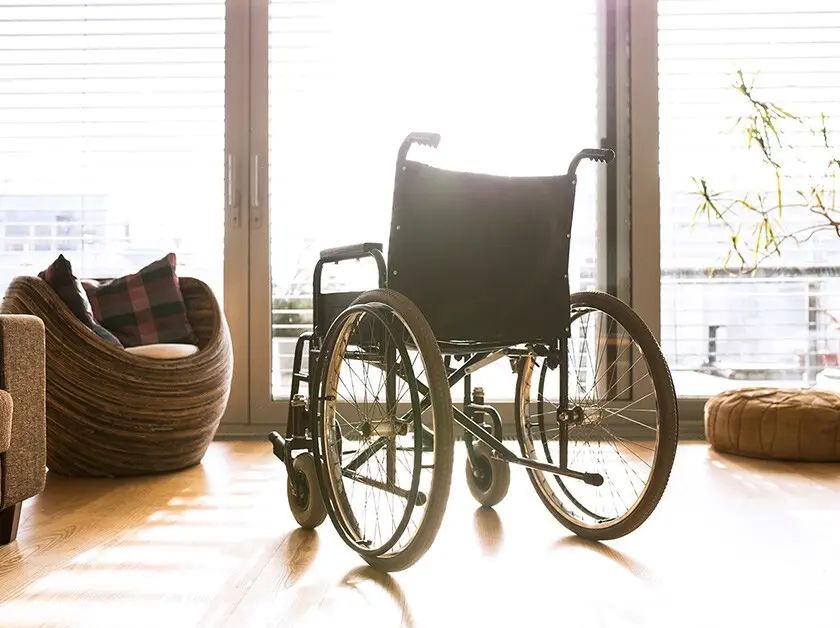
Ride Designs manufactures custom seat cushions and back supports for wheelchairs. The company’s products help protect skin, enhance mobility, improve function and optimize posture. Since every person’s physical support needs are different, Ride Design customizes every seating system to the individual. Aspen Seating specialists work with customers to take measurements and ensure client-specific features are precisely fabricated in every system they manufacture.
The company has devised an advanced shape-capture method that uses 3D scans to collect all the data they need to manufacture a seating system to fit a single individual. Numerous customizations can be added to the core product, making every order unique.
Every Ride Designs seating system is customized to the individual, with numerous customizations added to the core product. The documentation supporting each client must reflect those same unique requirements.
The Challenge
The Aspen Clinic, parent company of Ride Designs, works directly with clients to build products to their specifications, but they also must provide documentation for insurance companies. As a result, they regularly produce Letters of Medical Necessity (LMN). Insurance companies processing claims for Aspen Seating products require LMNs to explain why certain design elements or parts are to be included in the client’s wheelchair seating solution.
Aspen Seating previously used outdated software based on Microsoft Word and Visual Basic to create the LMNs. The solution took too long to generate documentation and getting support for the aging software was challenging. LMNs are highly detailed documents that list every part number and description of a custom wheelchair seat and back configuration, along with the reason each part is medically necessary. These documents vary in length, but Aspen often produces LMNs up to seventeen pages.
LMNs document every part number and description in a customized wheelchair seat and back configuration, along with the medical reason each component is required.
Aspen Seating relied on an outdated Microsoft Word and Visual Basic solution that was difficult to support.
Highly detailed and personalized LMNs took too long to create.
The replacement system needed to connect with Microsoft Business Central, which supplies data for mission-critical documents.
Every document needed to accurately reflect the parts and medical requirements of an individual seating system.
When the Aspen Seating team decided to replace the legacy LMN system, they sought a solution that could connect with their ERP platform, Microsoft Business Central. Aspen Seating relies on Business Central to supply the data necessary for its mission-critical documents.
The Solution
“Experlogix Document Automation was the only document generation software we found that would work with our Microsoft Business Central database at the time,” said Ride Designs’ Business Analyst Mahdy Ghane.
Aspen Seating sends the highly personalized LMNs to medical device suppliers who then communicate with insurers on behalf of the clients. Once approved, the suppliers place a purchase order and Aspen Seating constructs the customized seating systems.
Experlogix Document Automation allows Aspen Seating to leverage data from Business Central to generate LMNs based on each client’s unique needs. The software also allows the company to normalize its document inventory with data-driven document templates.
The Results
Automation, connectivity, and performance improvements have made a difference in operations at Aspen Seating. Since LMNs start the entire process, speeding the creation of these documents has a positive effect on the entire approval, manufacturing, and delivery workflow that follows.
“Experlogix Document Automation allowed us to reduce the time to generate critical documents. What formerly took us 45-60 minutes per document now takes only 10 minutes. This saves us hours every day.”
Once Aspen Seating builds custom seat cushions and back supports, they meet with the client to ensure a proper fit and installation. The company shows clients and caregivers how the equipment works and makes any necessary adjustments.
The company also uses Experlogix Document Automation to create personalized delivery packages for the clients. These delivery packages explain:
These documents need to be highly personalized, since they reference custom products. With the data captured during the ordering process, however, Experlogix Document Automation easily creates these documents in two minutes rather than the half hour it took with the old system.
Aspen Seating now has full control of their document creation process as well as the document format and content. They no longer risk document composition errors associated with manual copy and paste methods. With centralized document management capabilities, there’s no need to worry about documents with obsolete content sections or omitted document segments either.
User training has also become simpler. The staff no longer needs to be trained on which portions of documents to collect and assemble to create a customized document like a delivery package. Using a familiar Microsoft Word environment, prebuilt document templates and workflow automation, Aspen Seating employees can generate important documents quickly and accurately.
Mission-critical document generation dropped from 45–60 minutes to 10 minutes.
Teams no longer need to worry about obsolete content sections or omitted document segments.
Automated templates reduce document composition errors associated with manual copy-and-paste methods.
Staff no longer needs to learn which document portions must be manually collected and assembled.
What does the process look like? Experlogix Document Automation users at Aspen Seating access a sales order, click a button to create the LMN, and then view the document on SharePoint.
“Once the users began creating documents with Experlogix Document Automation, they had more time to analyze the documents and processes. We’ve been able to improve the whole solution because of their ideas and suggestions. The users are happy about working with Experlogix software.”
Mahdy Ghane Business Analyst, Ride DesignsNext Steps
During manufacturing, the company uses quality control documents that let the assembly teams know which components and parts to include in the custom products they produce. The entire QC process is under review. Once they update the process, Ride Designs intends to produce the quality control documents with Experlogix Document Automation. Ride Designs is considering adding digital signature capture as a choice for clinicians and others that must sign documents.
Aspen Seating’s and Ride Designs’ custom approach to wheelchair seating systems make a difference in the lives of their clients. Properly fitted seat cushions and backs work together to reduce the risk of rashes and other skin ailments. They also boost postural control and stabilize the pelvis and trunk to improve long-term health. A custom seating solution can increase the client’s confidence and performance while providing freedom of movement.
Experlogix Document automation helps them deliver their highly personalized products with tailored communication to help their clients.
Speak with one of our experts or download the complete Ride Designs customer success story.